
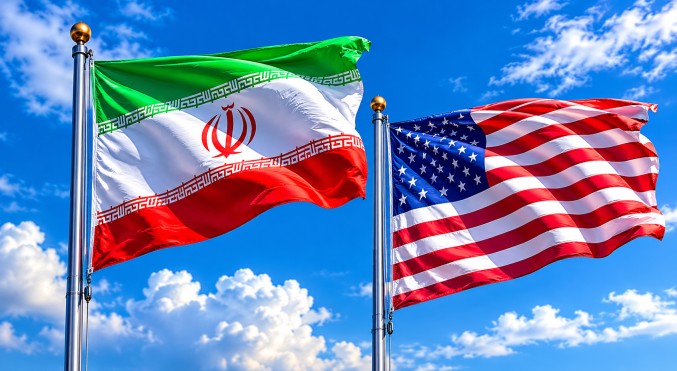
Amid heightened tensions over potential U.S. military actions, both Iran and the United States have reported modest progress in their ongoing negotiations. Iranian officials have noted that recent talks have helped to narrow the differences between the two nations, with a primary focus on establishing a broader ceasefire and easing regional tensions. Esmail Baghaei, a spokesperson for Iran’s Foreign Ministry, emphasized that the current discussions are centered on halting hostilities, while issues related to nuclear activities are slated for later deliberation.
U.S. Secretary of State Marco Rubio also confirmed advancements in the diplomatic conversations, indicating that efforts are ongoing and further developments may soon be revealed. The United States has consistently maintained that Iran must be prevented from acquiring nuclear weapons, insisting on assurances regarding uranium stockpiles and the reopening of the Strait of Hormuz.
In response to the negotiations, Iran’s parliament speaker, Mohammad Bagher Ghalibaf, cautioned that any renewed U.S. attacks would provoke a heightened Iranian retaliation. He claimed that Iran has restored parts of its military strength following weeks of conflict and a fragile ceasefire.
Pakistan has played a mediating role in the negotiations between Tehran and Washington. Pakistan’s army chief has engaged in talks with Iran’s top leaders in Tehran, which officials have described as constructive, aiming to facilitate another round of direct negotiations.
These diplomatic efforts are unfolding against a backdrop of growing concerns over regional stability, global energy supply security, and the potential for further escalation in the Middle East.