
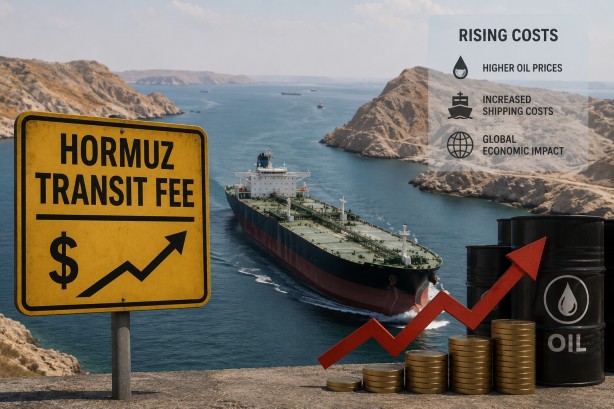
Iran and Oman are proposing a new transit fee for ships navigating the Strait of Hormuz, a key channel for energy trade. The suggested fee of about $1 per barrel of oil could increase global shipping costs, potentially establishing one of the most lucrative revenue streams in maritime history. With Brent crude oil prices hovering around $86 per barrel, this fee would account for approximately 1.2% of the oil’s market value.
As one of the globe’s most critical shipping lanes, the Strait of Hormuz accommodates around 20% of the world’s oil consumption. Analysts estimate that the fee could generate around $6.8 billion in annual revenue, a figure that could surpass the income from the Suez Canal’s transit fees. Although the increase seems modest at first glance, it could lead to higher fuel prices, affect air travel costs, increase freight rates, and raise the price of imported goods worldwide.
Proponents of the fee suggest that a clear and transparent fee structure might be more economical than facing potential disruptions or temporary closures in the Strait, which have historically led to spikes in energy prices and market instability. However, questions remain about the long-term viability and enforcement of this proposal. The prospect of increased costs is prompting Gulf nations to seek alternative export routes, with the United Arab Emirates investing in pipelines and ports outside the Strait and Saudi Arabia expanding its East-West pipeline to lessen dependence on Hormuz.
Experts believe that these infrastructure investments could gradually reduce the volume of oil traveling through the Strait, possibly diminishing the future revenue potential of the proposed transit fees. Such strategic developments could alter the dynamics of global oil distribution, encouraging nations to seek more stable and cost-effective pathways.