
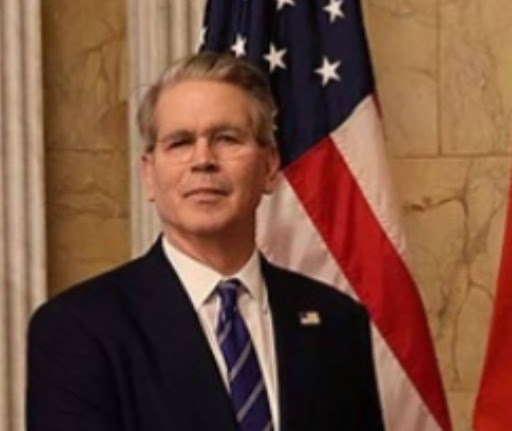
Treasury Secretary Scott Bessent disclosed Thursday that the administration is exploring a temporary Iranian crude oil waiver as a way to cushion the economic blow of Iran’s Strait of Hormuz crisis, revealing the US may lift sanctions on approximately 140 million barrels of Iranian crude stranded on tankers. Bessent said the cushion would help absorb the economic impact of the supply shock that has driven prices above $100 per barrel.
The economic blow of the Hormuz crisis has been severe and sustained, with Iran’s blockade removing between 10 and 14 million barrels of daily supply from global markets for close to two weeks. The resulting price surge has inflicted meaningful economic damage on consumers, businesses, and governments worldwide, making the search for a cushion an urgent priority for the administration.
Bessent identified the approximately 140 million barrels of Iranian crude on tankers, originally destined for Chinese buyers, as a potential cushion supply. A targeted temporary waiver could redirect this oil to global buyers and provide roughly two weeks of price relief, softening the economic impact of the Hormuz crisis during the critical phase of the US campaign to resolve it.
Earlier cushioning measures include a Treasury waiver for Russian oil that contributed approximately 130 million barrels to world supply. A unilateral US Strategic Petroleum Reserve release beyond the G7’s 400 million barrel commitment is also being prepared as an additional cushion, while the administration has categorically ruled out financial market intervention.
Experts evaluated the cushion framing critically. Compliance professionals and national security analysts warned that cushioning the economic blow through Iranian oil revenues would simultaneously provide the Tehran regime with financial resources for military activities and proxy support. Critics argued that a cushion funded by an adversary’s oil revenues carries a hidden cost — the strengthening of that adversary’s capacity to continue the very conflict that required the cushion in the first place.