
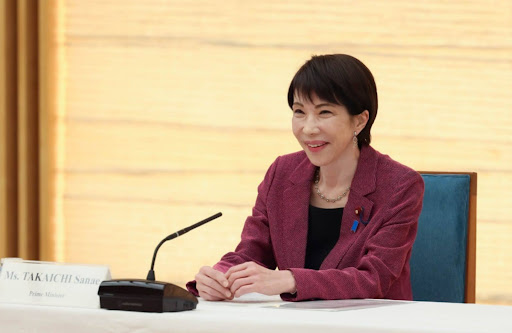
Japan’s government is mounting its largest-ever energy emergency response, with Prime Minister Sanae Takaichi announcing the country will begin its biggest-ever oil release this week. A total of approximately 80 million barrels from national strategic stockpiles will be released to domestic refiners, covering the equivalent of 45 days of national oil consumption. The release, set to begin Thursday, is a direct response to Middle East tensions threatening the Strait of Hormuz.
Japan’s structural dependence on Middle Eastern crude — which accounts for more than 90% of its oil imports — makes it acutely vulnerable to supply shocks originating in that region. The US-Israel war on Iran has already begun to affect tanker traffic through the strait, and fears of a prolonged blockage have prompted urgent government action. Tokyo is determined to prevent the conflict from translating into a domestic energy crisis.
The emergency release surpasses the Fukushima disaster drawdown of 2011 by 1.8 times and represents the most significant reserve deployment in Japan’s history. Japan currently has total oil reserves of around 470 million barrels — enough to sustain 254 days of domestic consumption. The government approved the release of private-sector stockpiles worth 15 days of supply the week prior, further amplifying the emergency response.
To cushion the blow for consumers, the government introduced weekly-reviewed fuel subsidies that cap gasoline at around ¥170 per litre, after prices soared to a record ¥190.8. Social media speculation has unnecessarily alarmed some consumers about toilet paper shortages, but officials and industry leaders have been swift to reassure the public. With 97% of Japan’s toilet paper produced domestically, the paper industry said it faces no supply chain disruption.
Diplomatically, Japan has declined to militarize its response, with Takaichi rejecting Trump’s push to deploy Japanese naval forces to the Hormuz region on constitutional grounds. The government remains committed to diplomatic coordination with international partners to stabilize the situation. Japan will continue to use all available peaceful tools to protect its energy security and the welfare of its people.